
The journey
A grand tour of the island of fire and ice, circumnavigating almost all of Iceland counter-clockwise plus a deep dive into the Westfjords — fifteen days that forever change the way you look at nature.
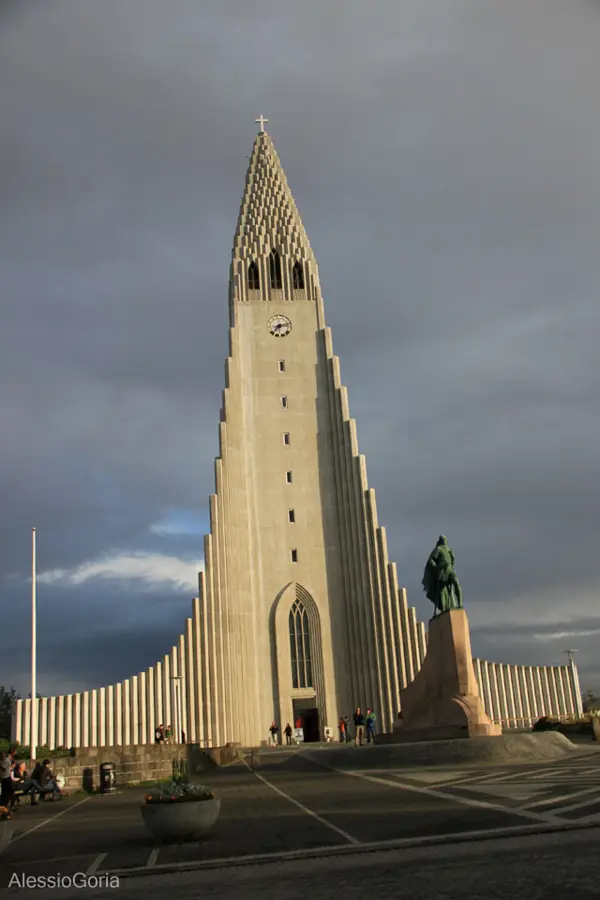
Reykjavik, the world's northernmost capital, welcomes with its big-village atmosphere: the colourful houses along Laugavegur, the Hallgrímskirkja church dominating the skyline, the fish restaurants and hipster cafés. A small but lively city, the ideal starting point for exploring a country where nature is the absolute protagonist.
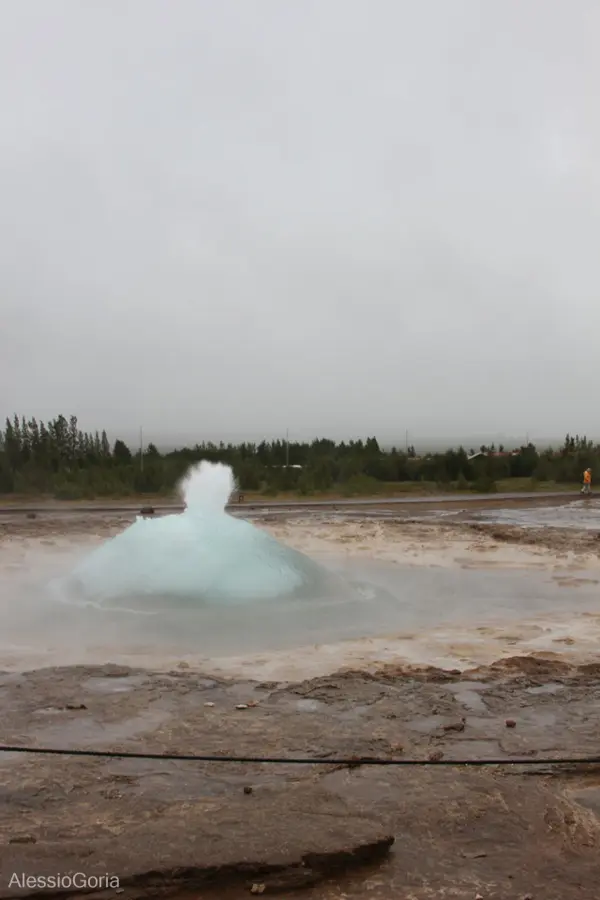
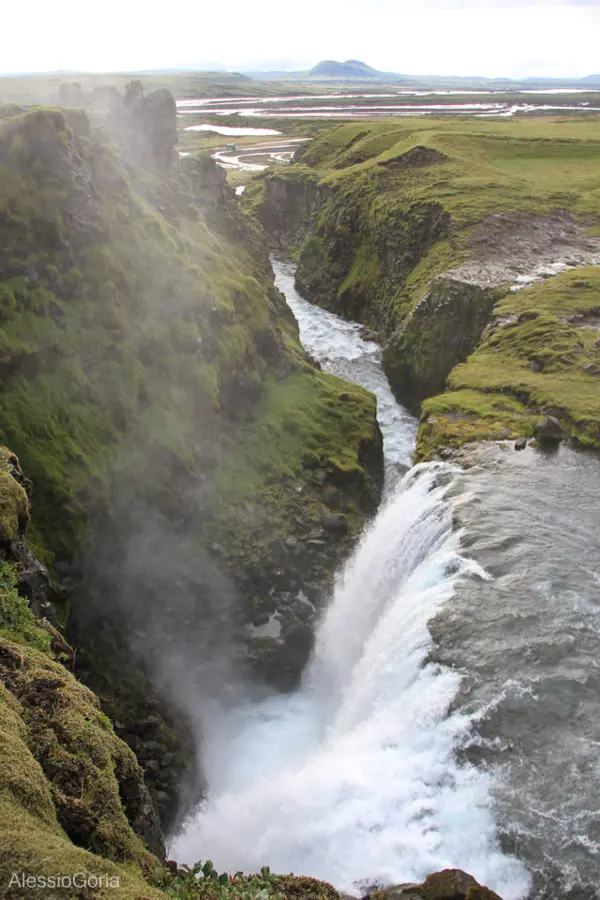
The first day is dedicated to the Golden Circle, Iceland's most famous tourist circuit. The Strokkur geyser erupting every 5–8 minutes, sending a column of boiling water twenty metres high — a hypnotic spectacle that never tires. The Gullfoss waterfall plunging into a gorge with a deafening roar and a permanent rainbow in the mist. Þingvellir National Park, where the Eurasian and North American tectonic plates visibly drift apart creating a rift you can walk through — the place where in 930 AD the Vikings founded the first parliament in history.
The Snæfellsnes peninsula on the west coast is a microcosm of all Iceland: the glacier-volcano Snæfellsjökull (the one from Jules Verne's "Journey to the Centre of the Earth"), the basalt cliffs of Arnarstapi with nesting Arctic terns, the colourful village of Stykkishólmur with its harbour and modern church.
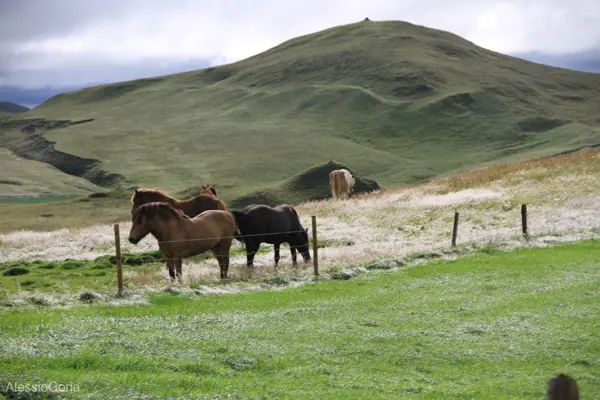
The Westfjords are the most remote and least visited part of Iceland — and perhaps the most beautiful. Gravel roads climbing mountain passes through fog, fjords where the water is so still it resembles a mirror, and the Dynjandi waterfall — the most spectacular fan-shaped waterfall in Iceland, cascading one hundred metres in a series of ever-widening steps. Ísafjörður, the Westfjords' "capital", is a fishing village wedged between mountains. Bolungarvík and the cliffs sheer above the Atlantic, the Strandir coast with its semi-abandoned villages.
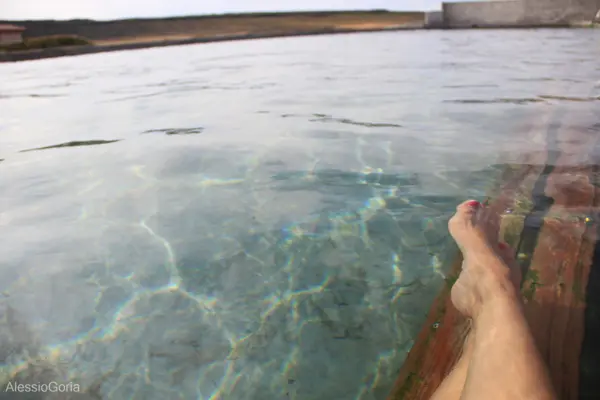
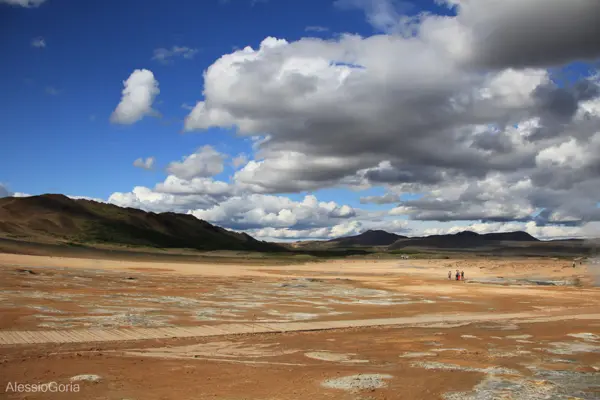
Akureyri, Iceland's second city (more of a large village really), is the gateway to the north. From here Lake Mývatn, with pseudocraters dotting the shores, the black lava fields of Dimmuborgir resembling the ruins of an alien city, and the natural geothermal baths where you soak with a view over the volcanic expanse. Húsavík for whale watching: minke whales and humpbacks surfacing metres from the boat, with snow-capped mountains as a backdrop.
The Askja highland: a detour inland along 4x4-only tracks crossing the black lava desert to the volcanic crater, with Lake Öskjuvatn and the small Víti crater where you can bathe in geothermal water at 2,000 metres altitude.
The east coast: Seyðisfjörður, a colourful village at the end of a fjord surrounded by waterfalls and green mountains, reached via a breathtaking mountain pass. The black beaches of Héraðssandur, swept by wind.
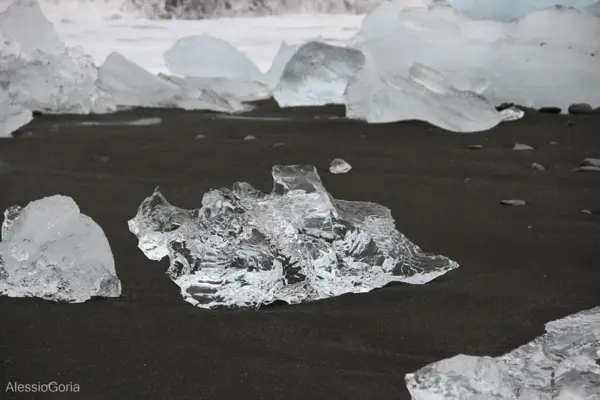
The glacier lagoon of Jökulsárlón: luminescent blue icebergs floating in glacial water, calving from the Vatnajökull — Europe's largest glacier. Seals swimming among the icebergs. The Diamond Beach, where ice fragments settle on the black sand like transparent gems.
The grand finale: trekking at Landmannalaugar, among mountains of coloured rhyolite — pink, orange, green, purple — covered in moss and fumaroles. Natural hot springs where you soak after hours of walking, with steam rising from the multicoloured rocks. A landscape that seems from another planet.
A country where ice meets fire, where night never falls in summer and where every kilometre of road reveals a different scene. Iceland is not a trip: it's a revelation.
Photographs (11)
Information about routes, difficulty and conditions is based on the author's personal experience and is purely indicative. This site is not a mountain guide or travel agency. All activities are undertaken at your own risk.