
The journey
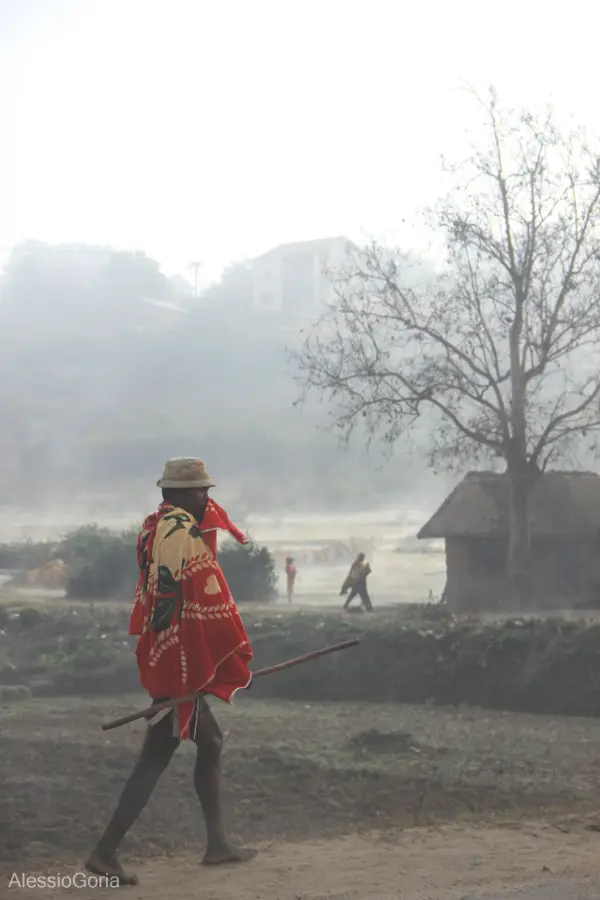
An epic journey to the "Grande Île", the fourth largest island in the world and a treasury of endemic biodiversity unparalleled on the planet. Twenty-five days from the deep south to the tropical islands of the north, crossing rainforests, red sandstone canyons, coral reefs and villages where life flows as it did a hundred years ago.
Arriving in Antananarivo — "Tana" to locals — is the first encounter with a completely different world. The capital spreads across the red hills of the central plateau, with its two-storey brick houses, lanes climbing between rickshaws and the Analakely market where everything is sold. The Queen's Palace (Rova) dominates the city from above.
The first stop is the deep south: Fort Dauphin (Tolagnaro), reached by domestic flight. From here, exploring Evatra and the Nahampoana Reserve, where you meet the first lemurs — the iconic animals of Madagascar that exist nowhere else. Huge eyes, agile movements through the branches, and a curiosity toward humans that makes them irresistible.
Heading west along the southern coast: Tuléar (Toliara) on the south-west coast, gateway to the Ifaty coral reef — one of Madagascar's richest snorkelling sites, with corals, sea turtles and tropical fish. Anakao, reached by pirogue, is a Vezo fishing village with their outrigger canoes on the beach — time here is measured by the tides. The islet of Nosy Ve, half an hour by pirogue, hosts a tern colony and brilliant white sand beaches.
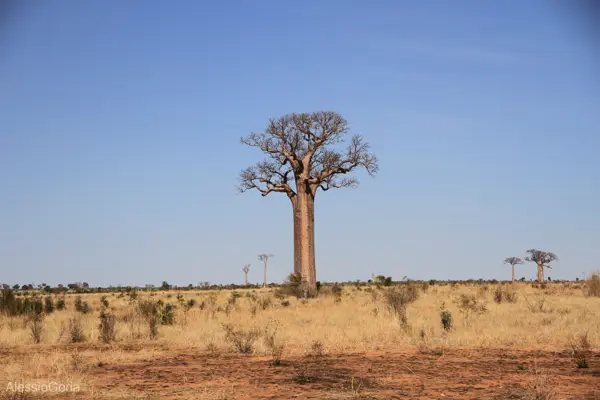
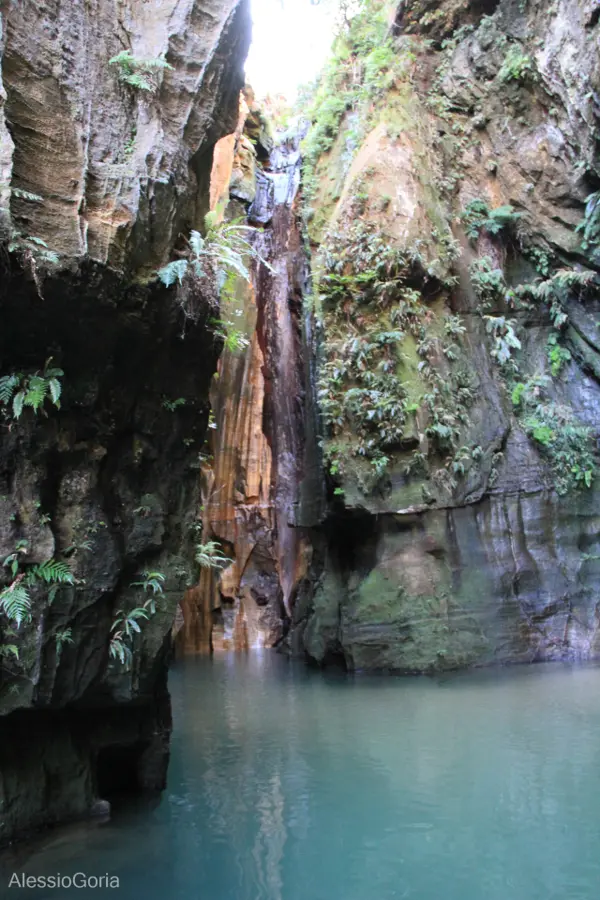
Inland: the Isalo National Park, one of Madagascar's jewels. Red sandstone canyons in the middle of the savanna (masopika), with natural pools of crystal-clear blue water hidden among the rocks. Trekking through the gorges is a unique experience — walls sculpted by erosion into fantastic shapes, solitary baobabs on the ridge, and absolute silence broken only by birdsong.
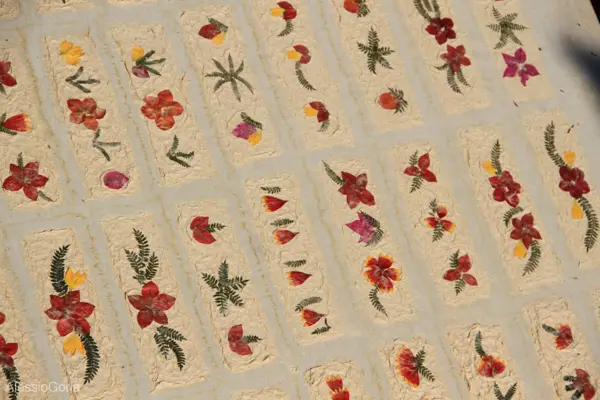
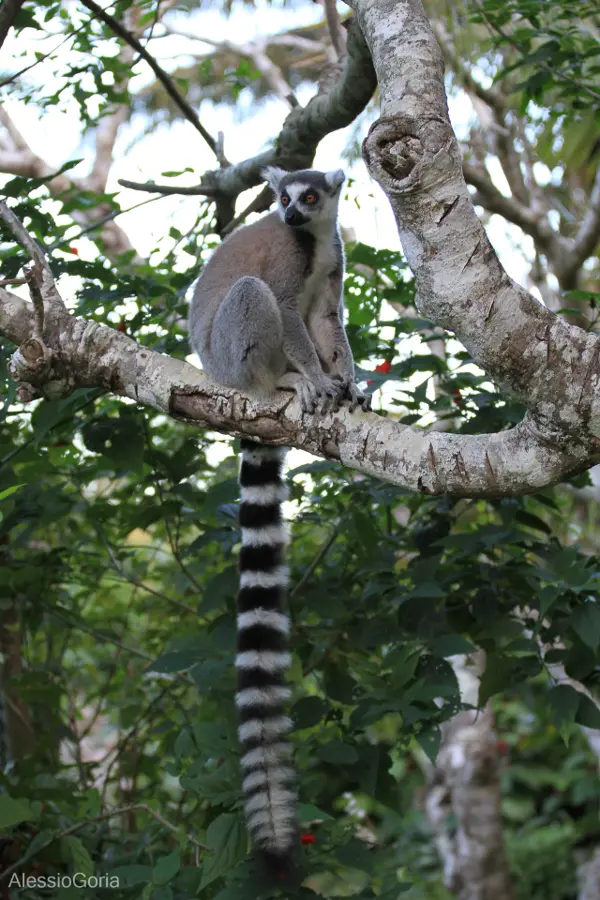
The Anja Reserve, near Ambalavao, is a forest oasis where you observe ring-tailed lemurs up close — those with the black-and-white striped tails that look straight out of a cartoon. Ambalavao is also the capital of Antemoro paper, handmade with pressed flowers.
Ranomafana, in the southeast, is one of Madagascar's most important rainforests. The waterfalls, the tropical humidity, the trails venturing into the jungle in search of the golden bamboo lemur (one of the rarest species on the planet), chameleons changing colour before your eyes. A fragile and precious ecosystem.
Ambositra, the capital of Zafimaniry craftsmanship — a people whose wood-carving techniques are UNESCO heritage. The marquetry workshops along the main road sell boxes, games and sculptures made with centuries-old mastery.
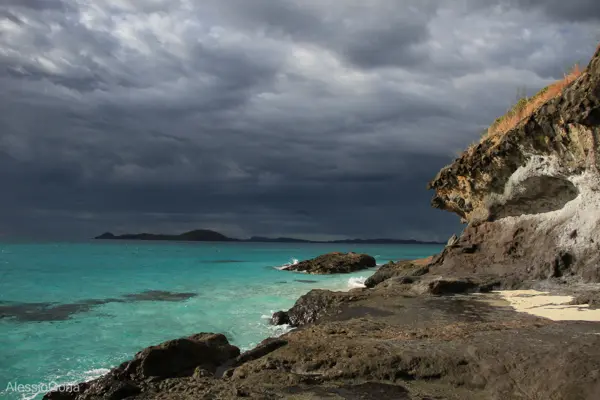
In the second part of the trip, reaching Nosy Be, the "perfumed island" in the far north-west. Nosy Be is quintessential tropical Madagascar: warm transparent waters, ylang-ylang and vanilla plantations, and a nightlife that surprises. From here, island excursions: Nosy Komba (the island of black lemurs), with its craftspeople's village and monkeys eating bananas from visitors' hands. Nosy Mitsio, a nearly uninhabited paradise of white beaches and pristine seabeds. Nosy Sakatia for snorkelling with sea turtles.
A country that tests you — the impossible roads, the African pace, the poverty that strikes hard — but that gives emotions no other place on Earth can give. Madagascar is proof that nature creates unique, fragile and unrepeatable masterpieces.
Photographs (11)
Information about routes, difficulty and conditions is based on the author's personal experience and is purely indicative. This site is not a mountain guide or travel agency. All activities are undertaken at your own risk.