
The journey
One of the wildest and most spectacular trips ever. Eighteen days across Namibia by four-wheel drive, from Etosha National Park to the Namib Desert, crossing territories where the road ends and the oldest landscape on Earth begins.
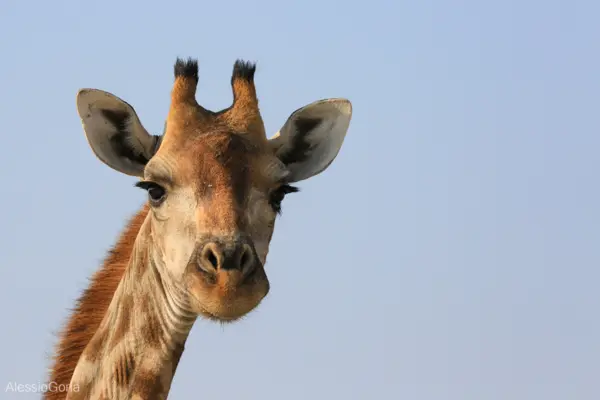
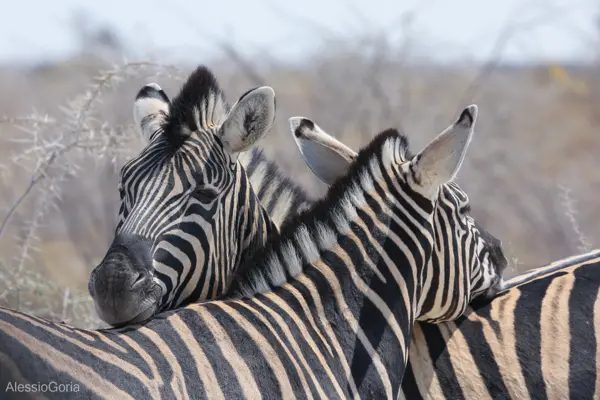
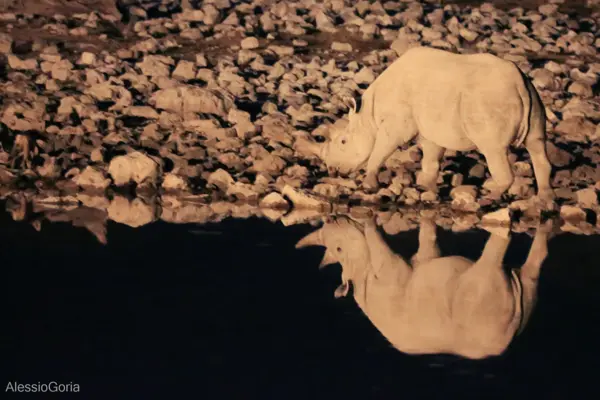
The adventure starts from Windhoek, Africa's most tranquil capital — a tidy little town with German colonial architecture and craft breweries, the ideal launchpad for heading north. The first stop is Etosha National Park, one of the largest wildlife reserves in southern Africa. Three days across the camps of Namutoni, Halali and Okaukuejo, following dirt tracks through savanna and the great salt pan — a dazzling white expanse where in winter thousands of animals gather at the waterholes. Elephants, giraffes, lions, black rhinos, zebras, wildebeest, springbok — all at close range, often just metres from the car. The floodlit waterhole at Okaukuejo at night is a natural theatre where rhinos come to drink under the stars.
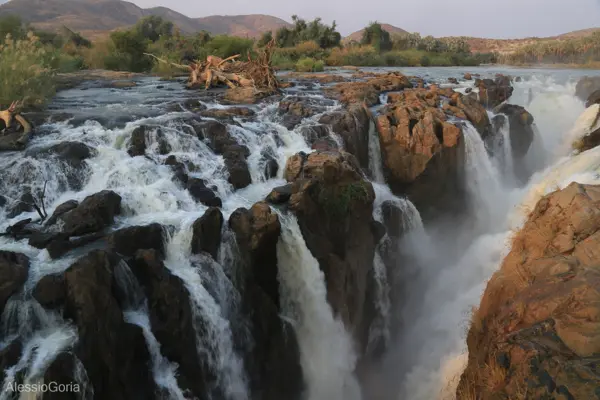
From the park heading north, through the Kaokoland — the most remote and least developed region of Namibia. Ruacana, on the Angolan border, with its waterfalls (often dry in winter) and the lunar landscape of bare rock. Then the majestic Epupa Falls on the Kunene River: a series of rapids and cascades plunging among makalani palms in scenery of rare beauty, on the Angolan border. Sunset over the falls, with the water mist turning red, is one of the most intense moments of the journey.
Opuwo, the "capital" of Kaokoland, is where the modern world meets the Himba culture — one of Africa's most photographed and least understood peoples, with women covering their bodies in a paste of red ochre and butter. An encounter that leaves its mark.
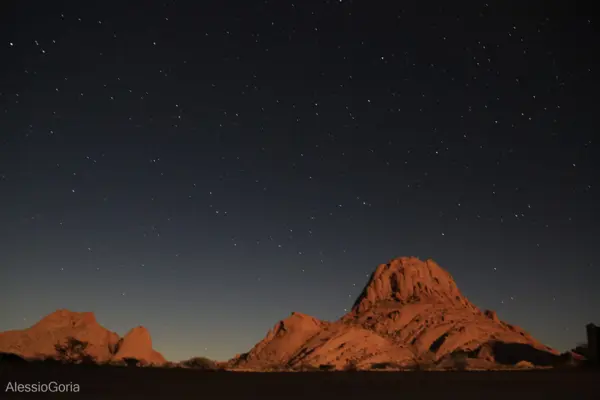
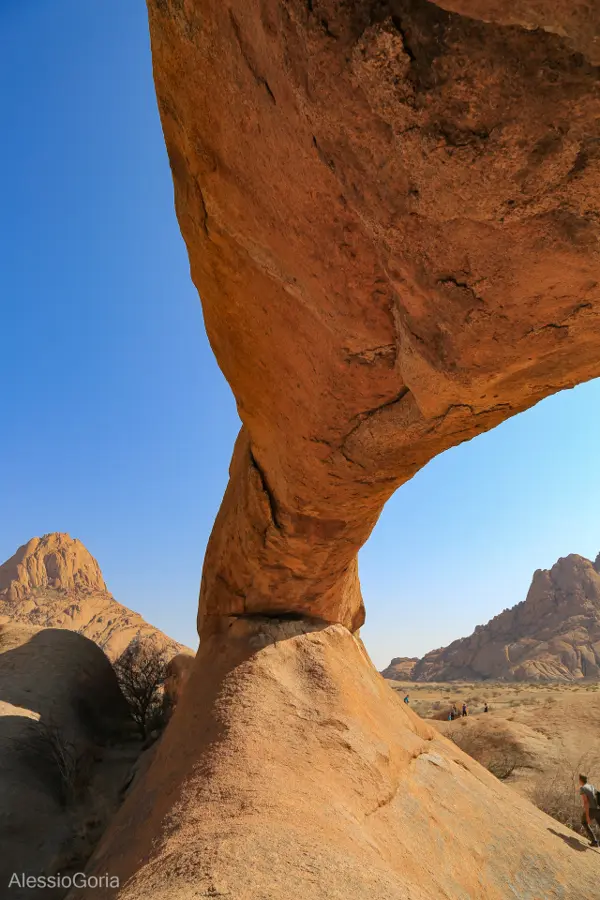
The descent toward the coast crosses Damaraland: Twyfelfontein, a UNESCO site with 6,000-year-old rock engravings left by the San (Bushmen) — giraffes, rhinos, human footprints carved into red sandstone. Palmwag, with its desert-adapted elephants. Spitzkoppe, a granite inselberg rising from the desert like a natural pyramid — the "Matterhorn of Namibia" — with its rock arches and colours shifting with the light.
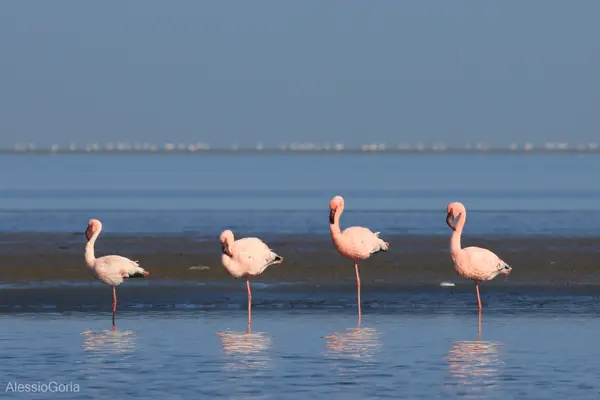
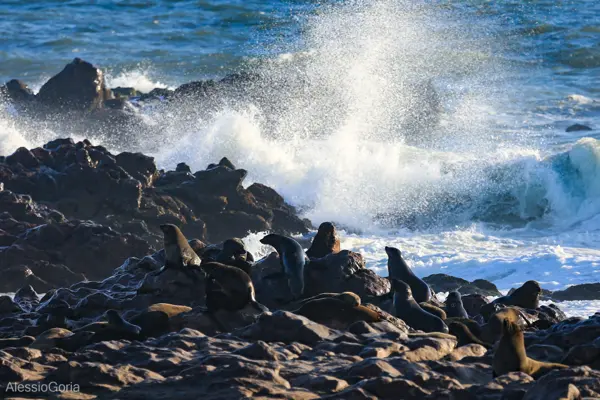
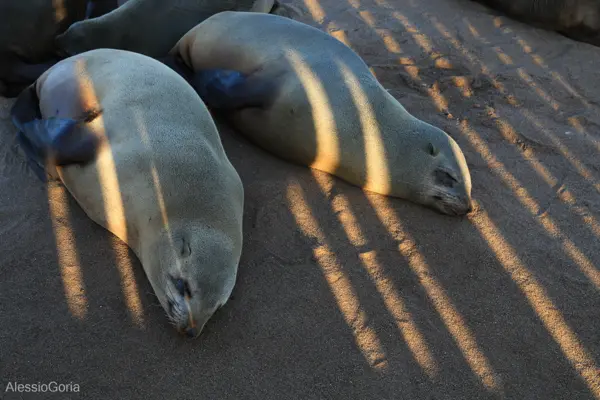
The Skeleton Coast: Cape Cross, the largest Cape fur seal colony in southern Africa — thousands of animals packed on the beach in a noise and smell you won't forget. Swakopmund, the German colonial town in the middle of the desert: breweries, cafés serving Black Forest cake, Jugendstil architecture and the cold Atlantic wind. Three days here, including a 4x4 excursion to Sandwich Harbour — where the world's tallest dunes plunge directly into the ocean in surreal scenery.
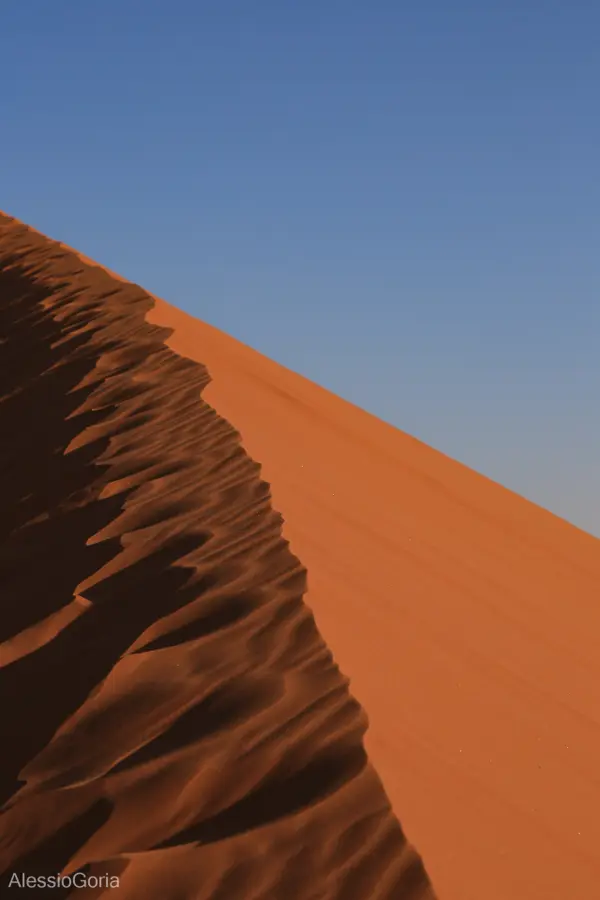
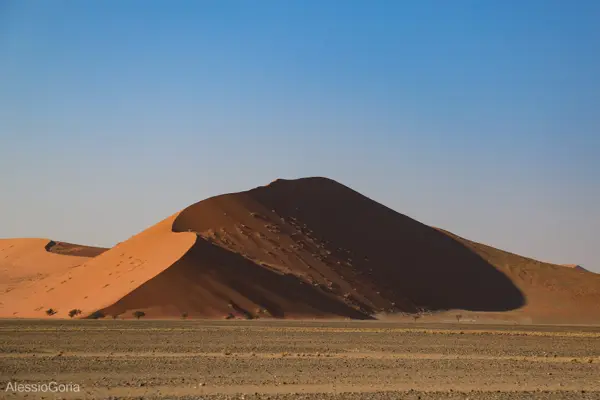
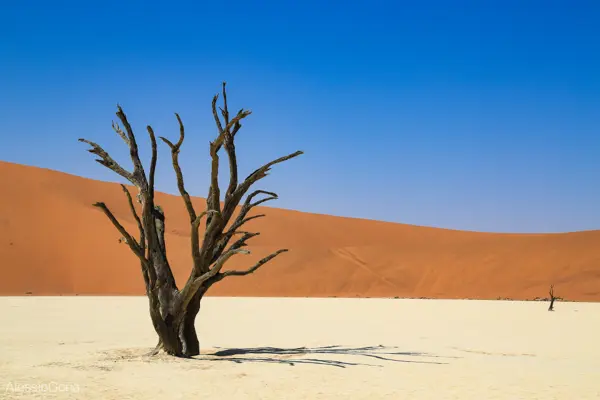
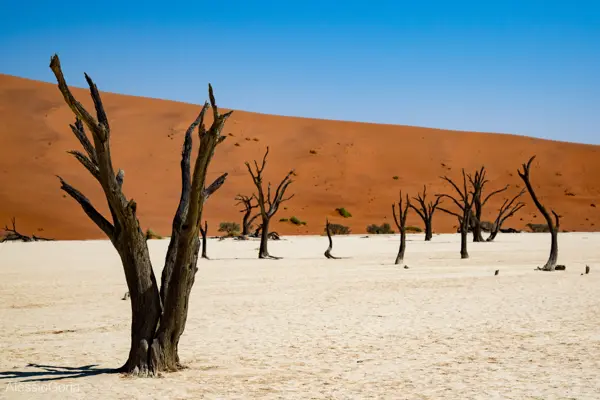
The final stretch is dedicated to the heart of the Namib Desert, among the oldest on the planet (80 million years). Solitaire, a ghost village with a petrol pump and Namibia's best apple pie. Sesriem, the gateway to Sossusvlei. The 4 a.m. wake-up to reach Dune 45 at dawn — a wall of apricot-coloured sand 170 metres high standing against an indigo sky, with shadows drawing perfect geometries. Sossusvlei and Deadvlei: the white floor of a desiccated pan with the black skeletons of acacia trees dead for 900 years, surrounded by orange dunes and a cobalt-blue sky — one of Africa's most iconic images.
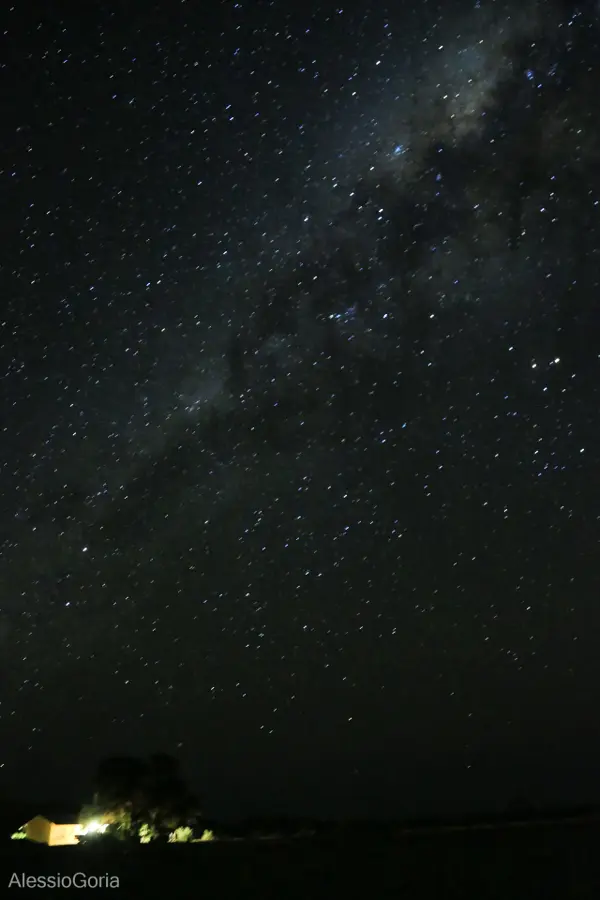
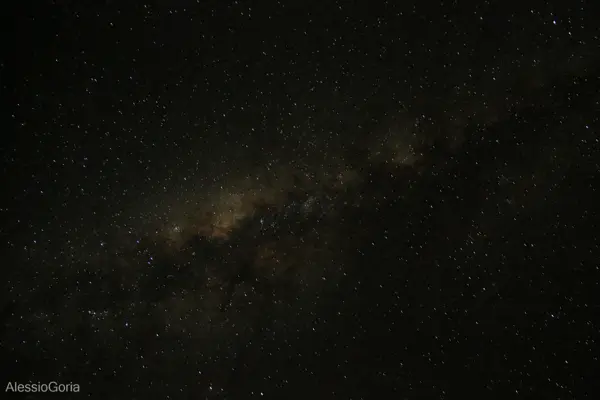
A country you never forget: silence, space, stars, and the feeling of being infinitely small before the grandeur of nature.
Photographs (17)
Information about routes, difficulty and conditions is based on the author's personal experience and is purely indicative. This site is not a mountain guide or travel agency. All activities are undertaken at your own risk.