
The journey
Two weeks in Japan around mid-August: from Tokyo to the temples of Kyoto, with castles, sacred forests and the memory of Hiroshima.
Arriving in Tokyo I landed in the future: the Shinjuku skyscrapers in the humid August sky, the Shibuya crossing where hundreds of people cross paths, Akihabara with its neon lights and manga and electronics shops. Then the quiet of Senso-ji in Asakusa, the city's oldest temple, with the red lantern of Kaminarimon and the smell of incense in the warm air.
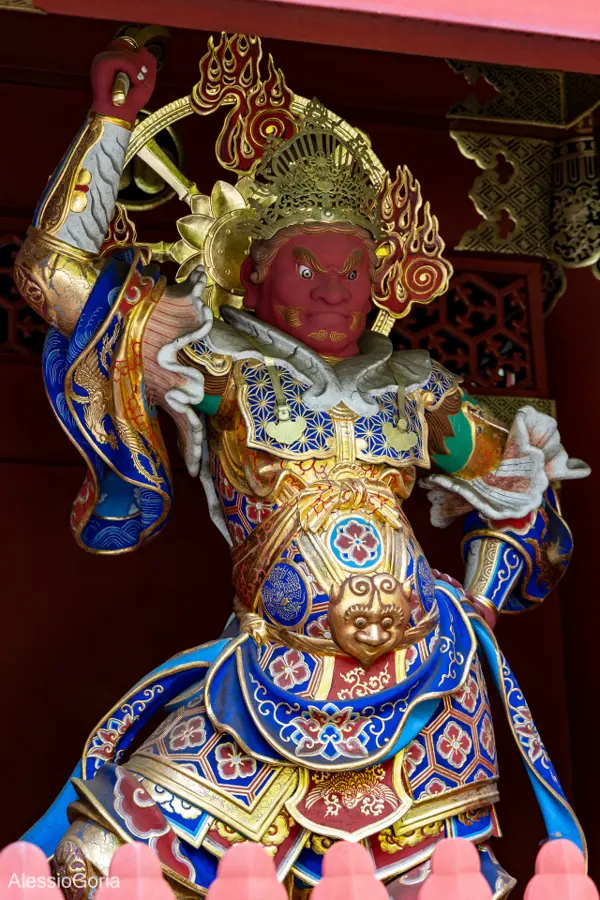
I made my first excursion outside Tokyo to Nikko, a UNESCO heritage site in the mountains of Tochigi Prefecture. The Toshogu shrine, dedicated to the shogun Tokugawa Ieyasu, is all gold lacquer and polychrome carvings among ancient cedars, far from the Zen sobriety of classical Japan. Here I saw the monkeys that "see no evil, hear no evil, speak no evil" have been carved in wood for over four centuries.
I reached Kamakura, the old samurai capital, in an hour by train from Tokyo. The Great Buddha (Daibutsu) is bronze, outdoors and thirteen metres high, with a serene gaze. I walked the paths between the Zen temples (Engaku-ji, Kencho-ji), which cross hills covered in bamboo and hydrangeas, with the sea showing through the leaves.
I went west of Tokyo to Hakone, the gateway to Mount Fuji. I took the cruise on Lake Ashi with the red torii rising out of the water, the volcanic Owakudani valley with its sulphurous fumaroles and the black eggs (each one adds five years to your life, legend says). On lucky days Fuji shows above the clouds.
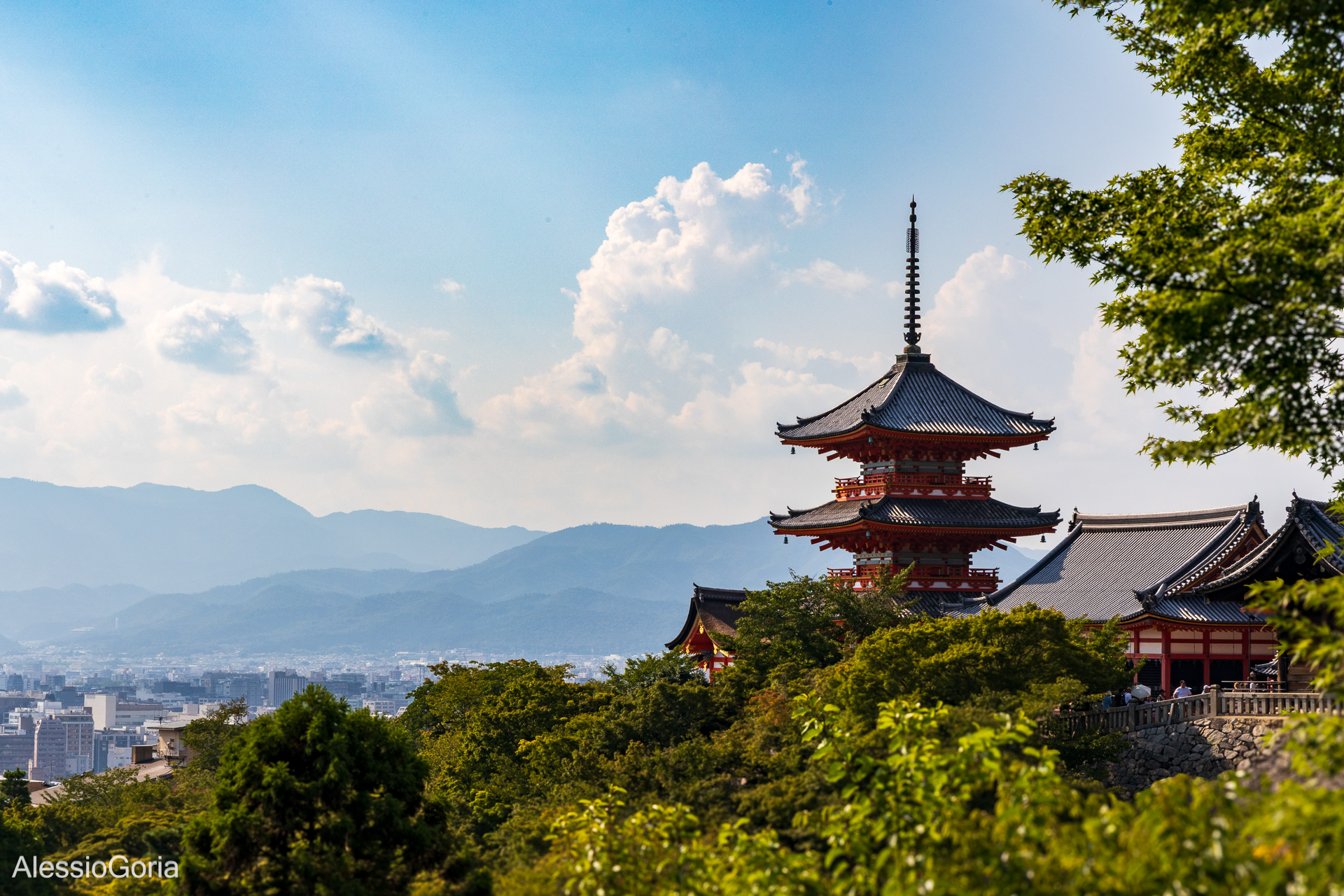
I had three days in Kyoto, which is not enough. The Kinkaku-ji (Golden Pavilion) reflected in its pond is the city's best-known image, but what really stands out is Fushimi Inari Taisha with its ten thousand vermilion torii gates: an orange tunnel climbing the mountain for four kilometres, in a silence broken only by crows and wind. Then Arashiyama with its bamboo forest, the Silver Pavilion (Ginkaku-ji) with its Zen sand gardens, and Gion, the geisha district.
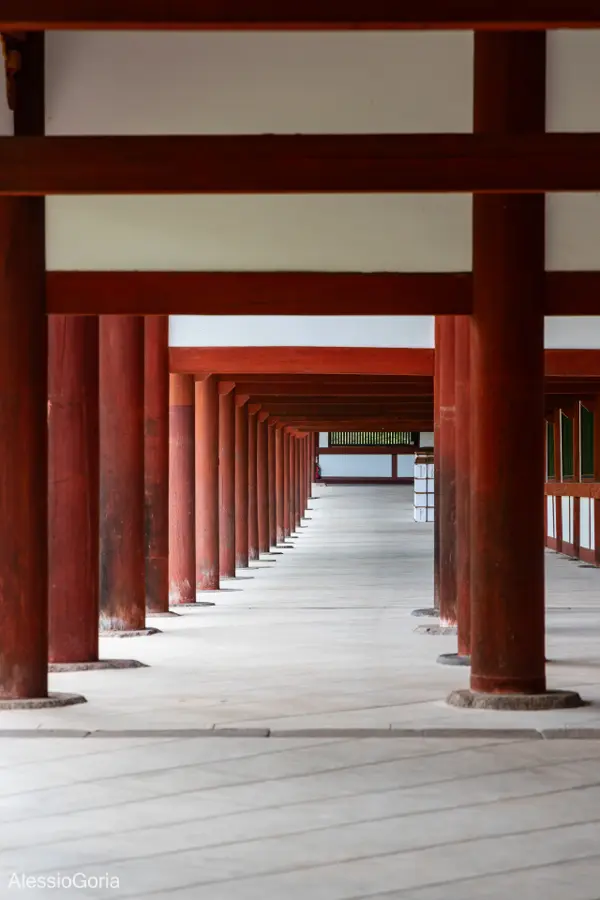
I spent a whole day in Nara, the old capital, where sacred deer (shika) roam freely in the park and bow to ask for senbei (rice crackers). The Todai-ji holds the world's largest indoor bronze Buddha, in a wooden building that is itself the largest in the world.
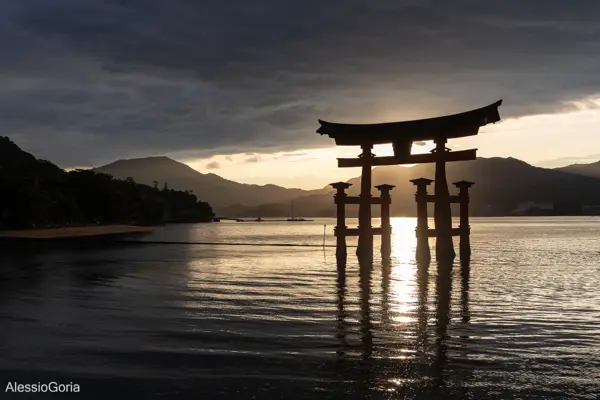
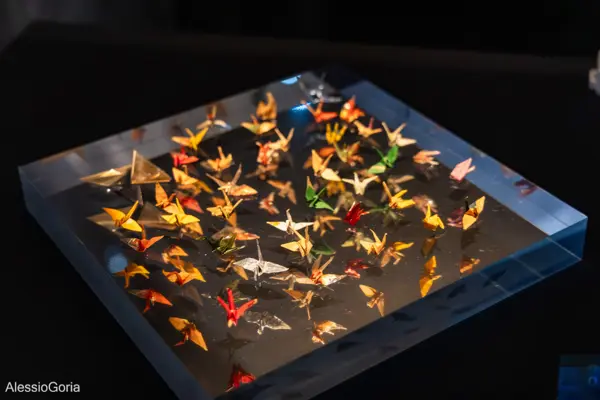
On the Shinkansen, the bullet train, I reached Hiroshima in under two hours. The Peace Park and the Memorial Museum change your perspective: the ruins of the Genbaku Dome, the stories of the hibakusha, the peace bell in the silence. Then, by ferry, I went to Miyajima, where the great floating torii of Itsukushima turns red at sunset against the sea. Deer here too, among the temples and souvenir lanes.
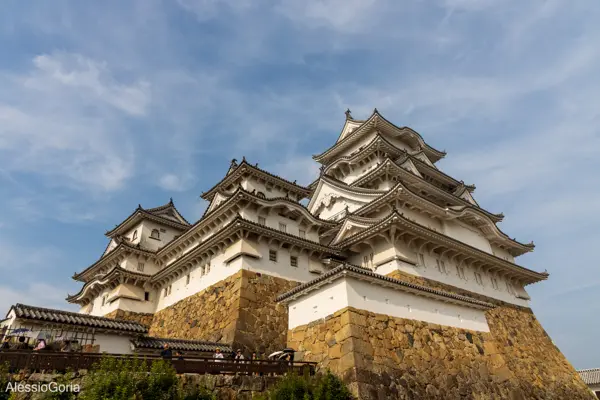
I made a short stop at Himeji for the White Heron Castle (Himeji-jo), with its white walls and six wooden storeys that have stood for over four centuries.
Mount Koya (Koya-san) is the centre of Shingon Buddhism, founded by the monk Kukai in the ninth century. I slept in a temple (shukubo), ate the monks' vegetarian cooking (shojin ryori) and in the early morning watched the fire ceremony (goma). The Okunoin, Japan's largest cemetery, is a two-kilometre path among more than two hundred thousand moss-covered tombs, under giant cedars.
I finished in Osaka, the "kitchen of Japan". In Dotonbori I found giant illuminated signs (the mechanical crab, the running Glico man), boiling takoyaki (octopus balls), okonomiyaki (the "Japanese pizza") and fried kushikatsu, in the humid heat of an August evening, in the crowd. Osaka is loud and generous, the opposite of Kyoto's composure.

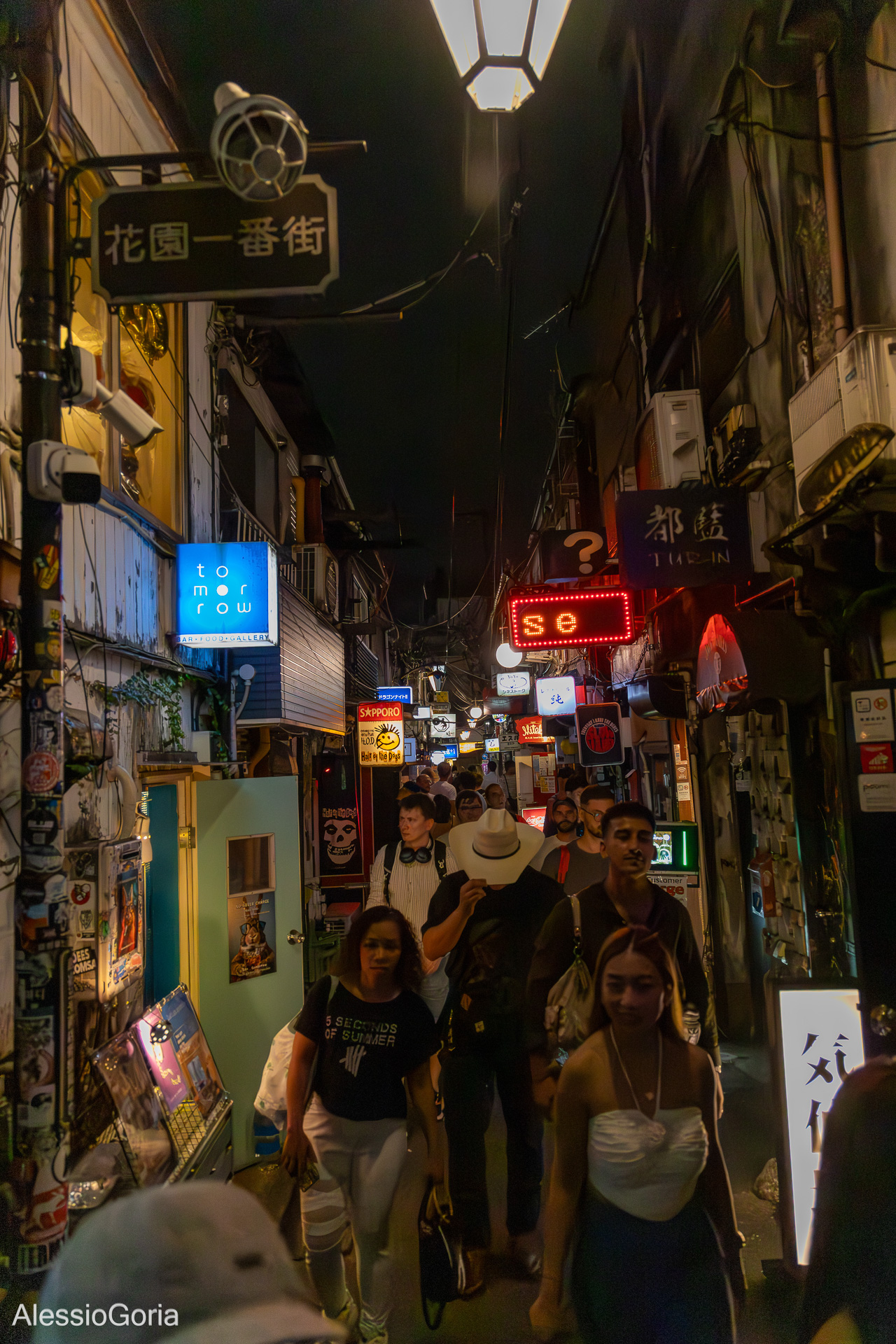
Photographs (8)
Information about routes, difficulty and conditions is based on the author's personal experience and is purely indicative. This site is not a mountain guide or travel agency. All activities are undertaken at your own risk.