
The journey
A road trip through the national parks of the Far West, from California to Utah: three weeks among deserts, canyons and giant sequoias.
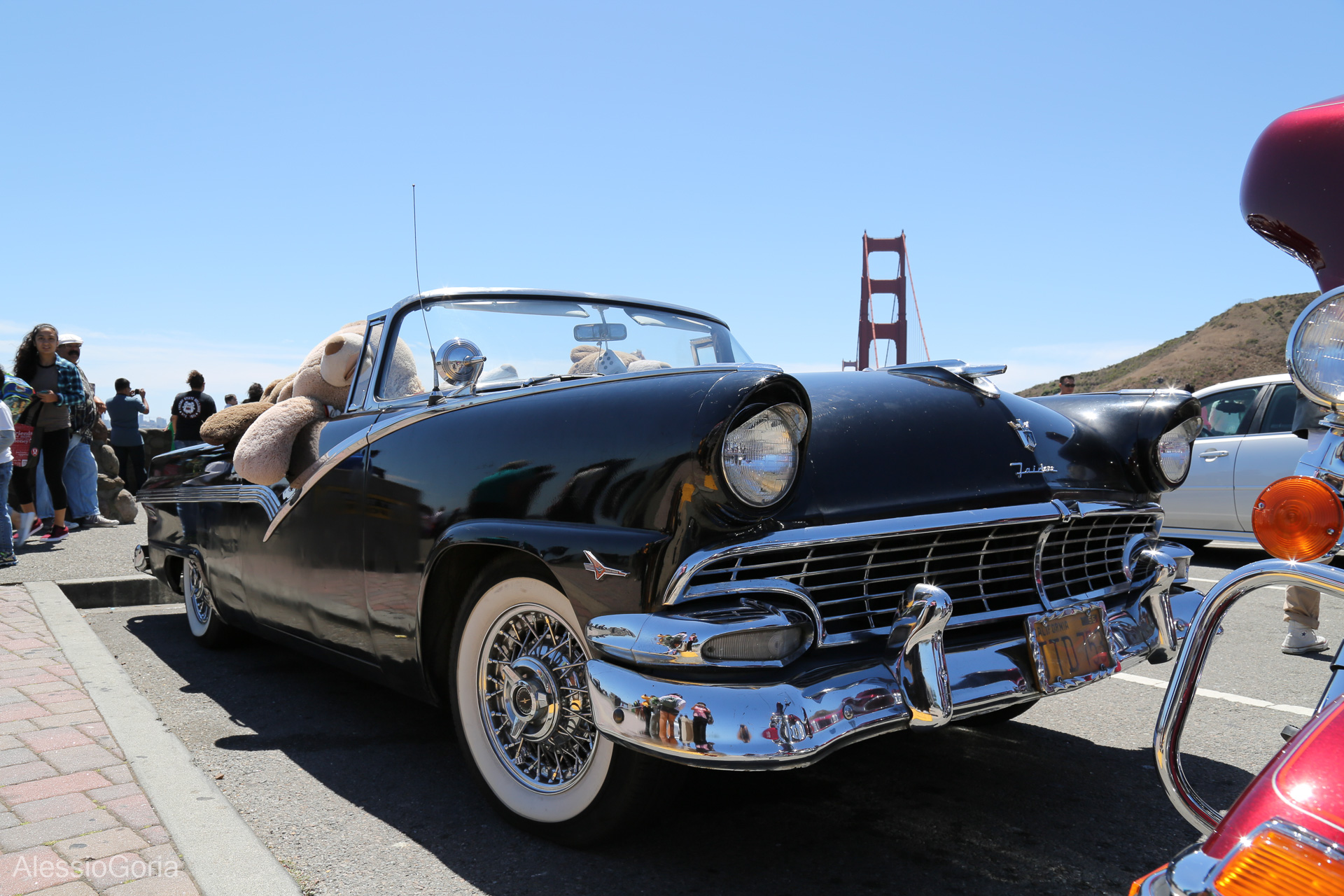
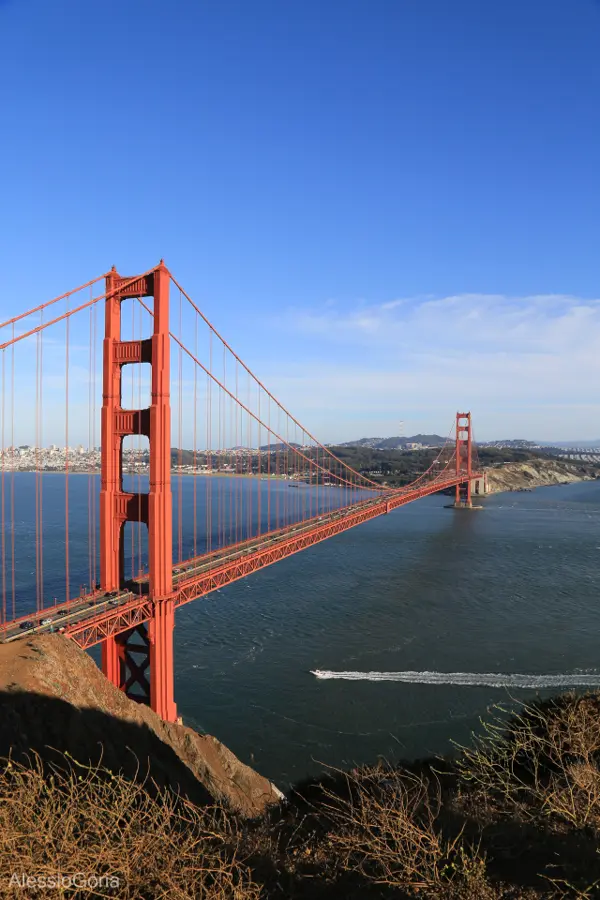
I set off from San Francisco, with the Golden Gate Bridge, Fisherman's Wharf and the Victorian houses of Alamo Square. Two days among the neighbourhoods (the Castro, Haight-Ashbury, Chinatown) and driving down Lombard Street, America's most winding road. In the morning the fog wraps around the bridge and the bay.
Heading down Big Sur I drove Highway 1, which winds between cliffs sheer above the Pacific, with bridges like the Bixby Bridge and waves breaking hundreds of metres below. It is one of the most beautiful roads in the world and at every bend there is somewhere to stop.
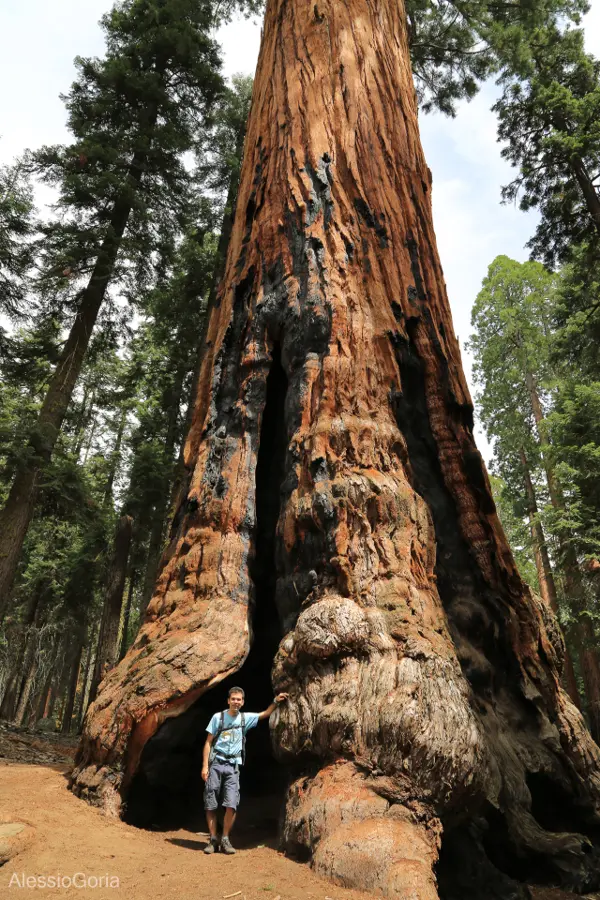
In Sequoia National Park I saw the General Sherman Tree, the largest tree on the planet by volume, with a trunk 31 metres in circumference and over 2,000 years old. Walking among the sequoias put human time in perspective for me.
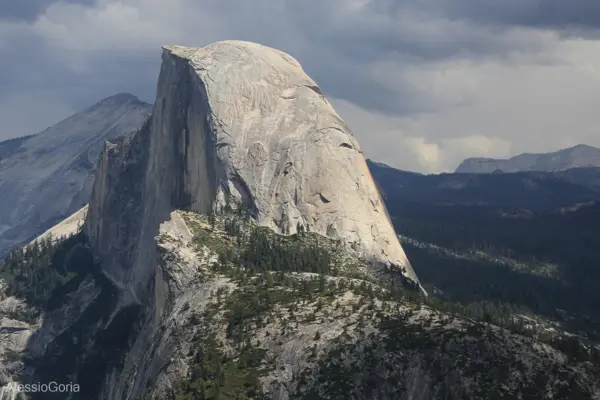
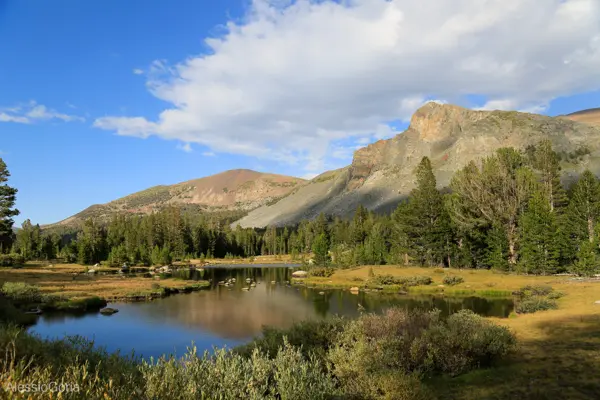
Yosemite is perhaps the most beautiful park in America. Half Dome and El Capitan, the most famous granite walls in the world for climbers, rise above Yosemite Valley. Yosemite Falls drops 739 metres in three leaps, and the valley meadows have a golden light at sunset. It has inspired photographers such as Ansel Adams.
I crossed Death Valley in the August sun, an extreme experience: Badwater Basin, the lowest point in North America (86 metres below sea level), is a white salt flat where the thermometer goes above 50°C. Zabriskie Point and Artist's Palette are coloured rock in lunar landscapes. Then I spent a night in Las Vegas, after the silence of the desert.
Utah is a run of geological formations. Zion National Park has sheer walls of cream and red Navajo Sandstone, and the Angels Landing trail climbs a narrow ridge with 450-metre drops. Bryce Canyon has its hoodoos, orange rock columns carved by erosion that form a natural amphitheatre, especially at dawn, when the low light sets every spire alight.
The Grand Canyon is one thousand six hundred metres deep and shows two billion years of geological layers, open like the pages of a book. The South Rim at sunset goes from red to orange, to purple and blue, in a sequence no photograph manages to render.
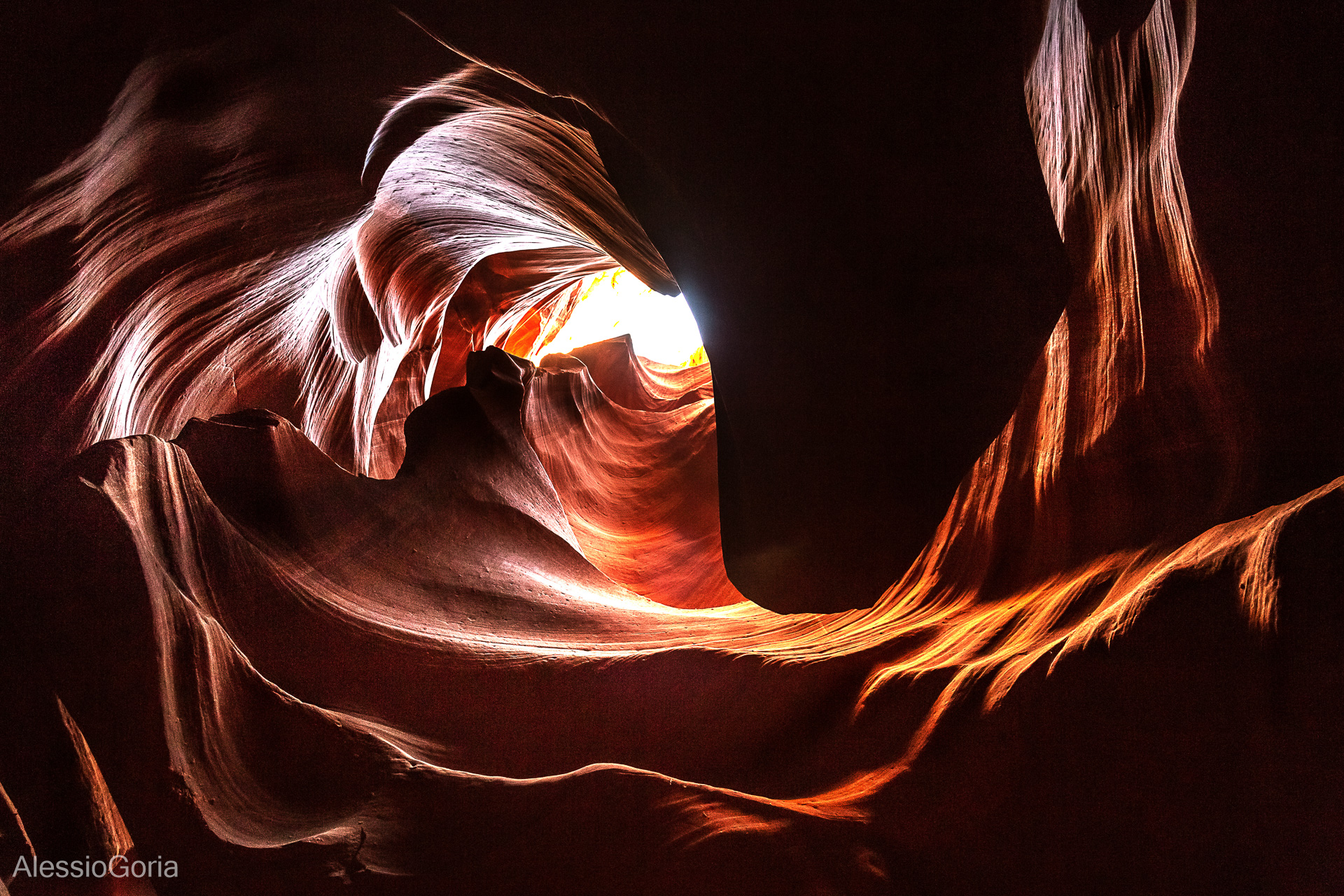
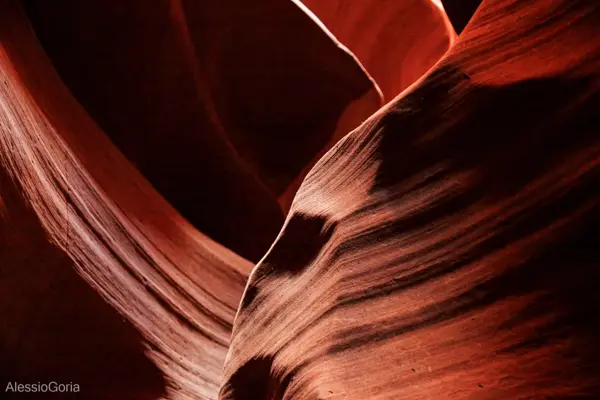
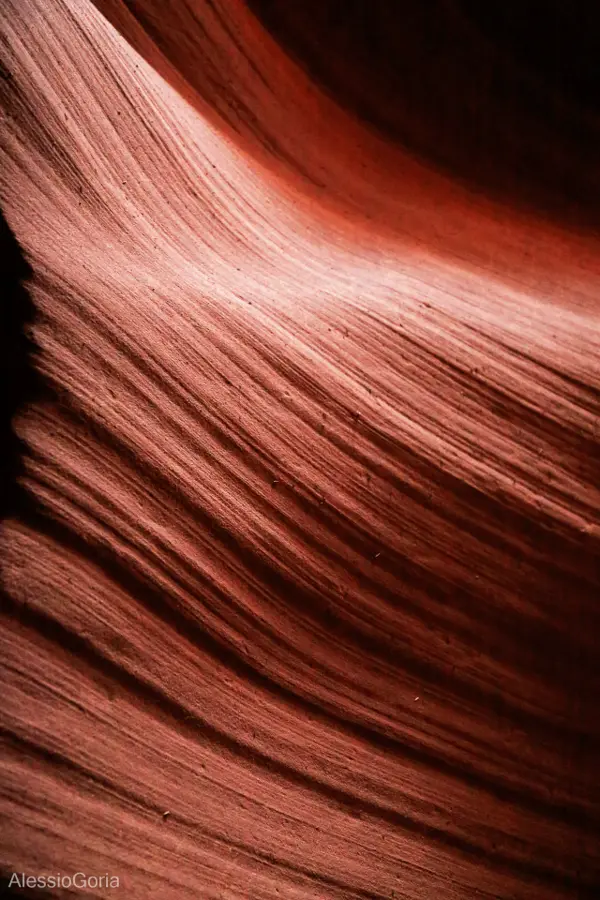
Antelope Canyon, near Page, has waves of red sandstone smoothed by water and wind, with shafts of light coming in from above and lighting the golden sand at the bottom. It is a sacred place for the Navajo and much loved by photographers.
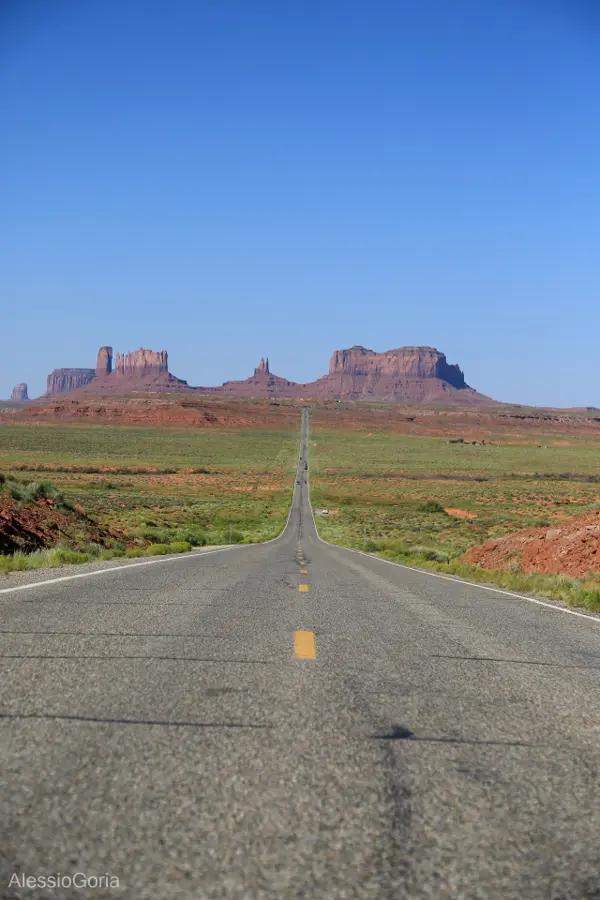
Monument Valley is the landscape of John Ford's westerns: red sandstone mesas and buttes rising from the desert plain. I drove through the Navajo reservation among the rock formations.
Dead Horse Point looks over the great bend of the Colorado River, and nearby Canyonlands is a maze of canyons, arches and spires. Arches National Park has more than 2,000 natural sandstone arches, and Delicate Arch against the red sunset sky is the symbol of Utah.
I went back to Denver across the Rocky Mountains.



Photographs (12)


Information about routes, difficulty and conditions is based on the author's personal experience and is purely indicative. This site is not a mountain guide or travel agency. All activities are undertaken at your own risk.